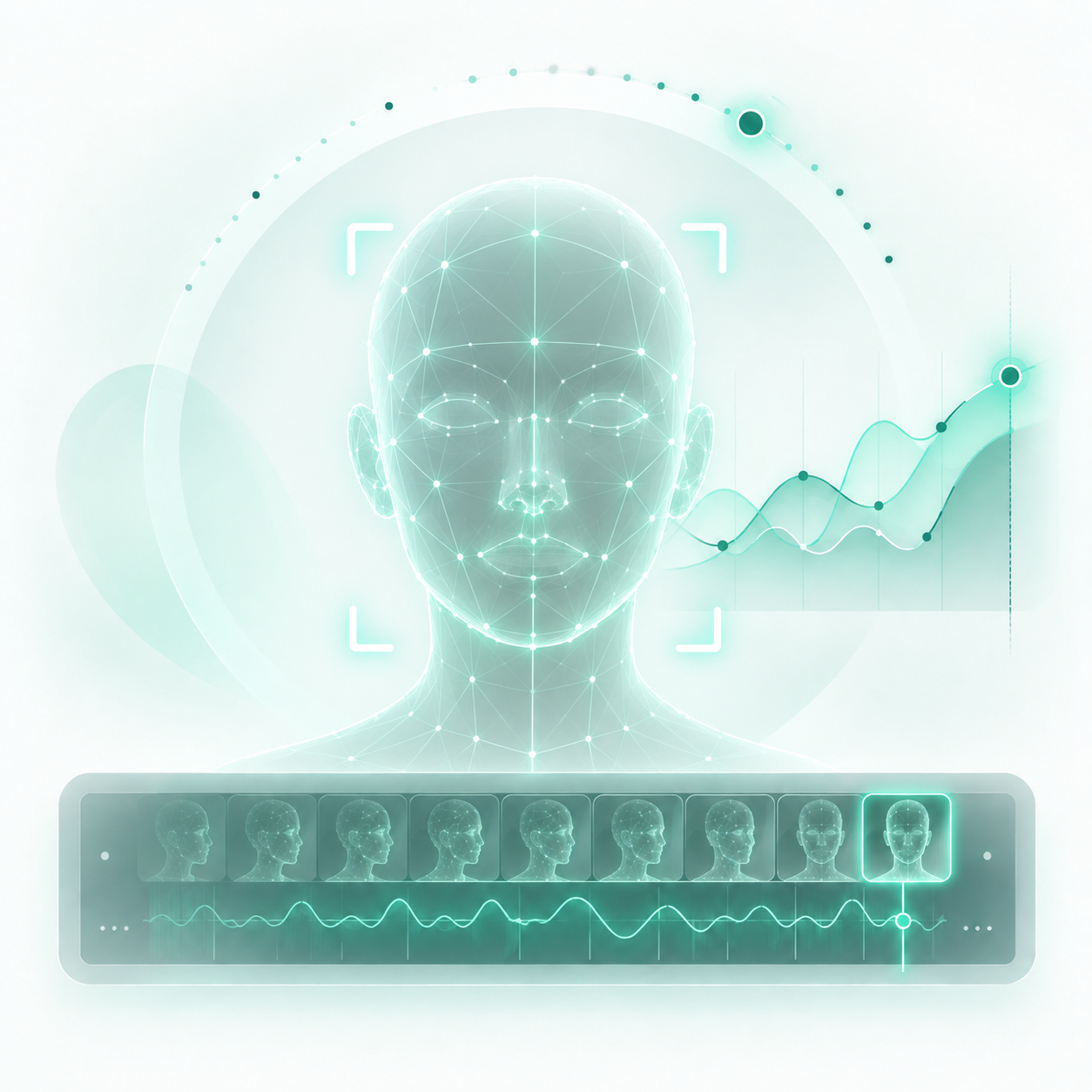
Continuous reading
Analyzes evolution, persistence and state changes, not just instantaneous events.
GUARA Platform combines computer vision, local processing and temporal reasoning to detect patterns of fatigue, distraction, attention degradation and other relevant human signals in critical environments.
GUARA transforms visual, behavioral and contextual signals into a continuous reading of human state. It goes beyond detecting isolated events: it analyzes how signals evolve over time, combines information from multiple sources, and builds a more complete interpretation of behavior.
The platform is designed to identify relevant changes in attention, fatigue, orientation, response and other human variables that can affect safety, performance and operational continuity.
Its architecture separates perception, observability, temporal reasoning and vertical intelligence, allowing the system to adapt to different environments without depending on a single application or device.
In mobility, this enables a shift from point-event detection to contextual driver assessment. In other verticals, the same foundation can adapt to operators, control rooms, industrial environments and other activities where the human factor has critical impact.
Analyzes evolution, persistence and state changes, not just instantaneous events.
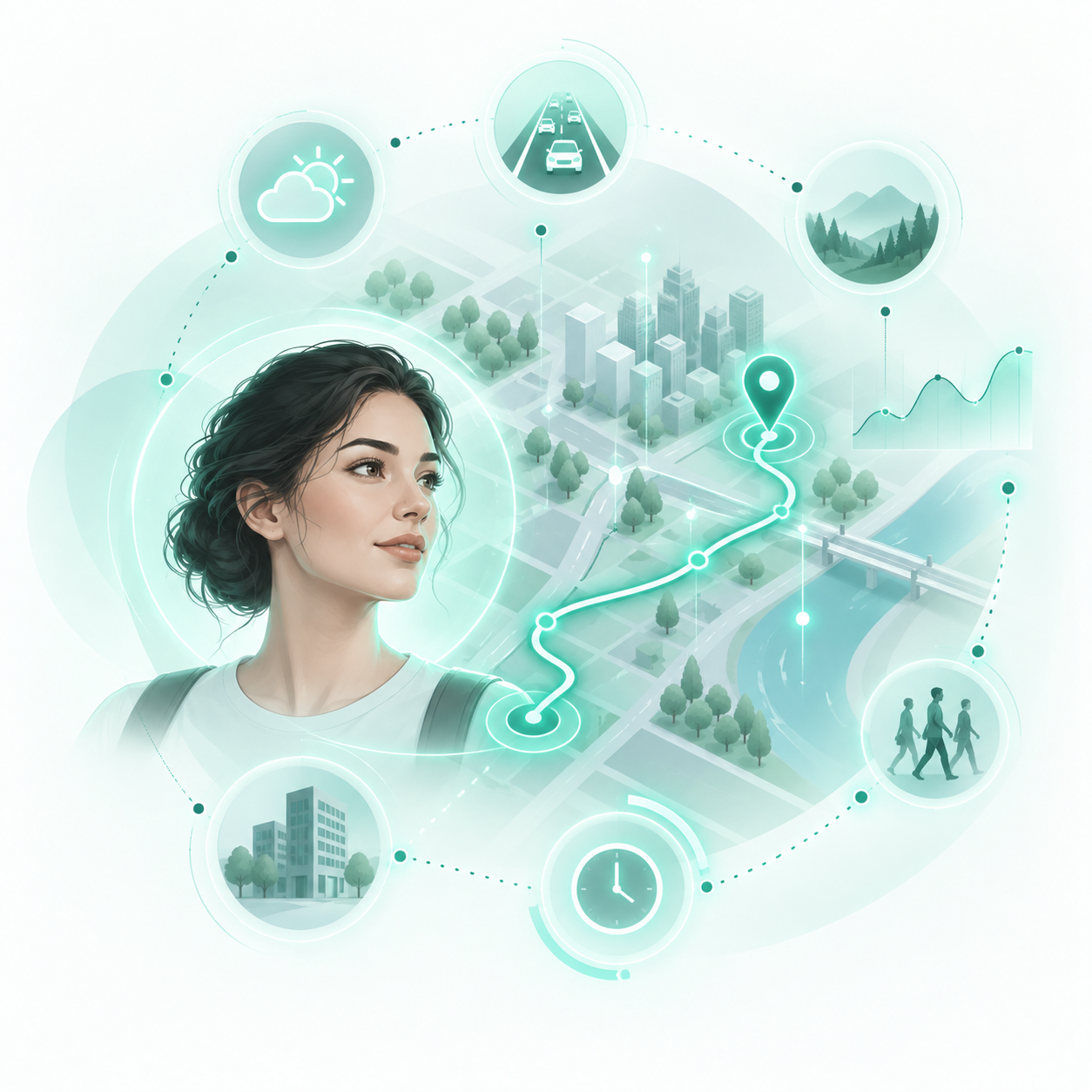
Interprets signals while accounting for the environment and operating context.
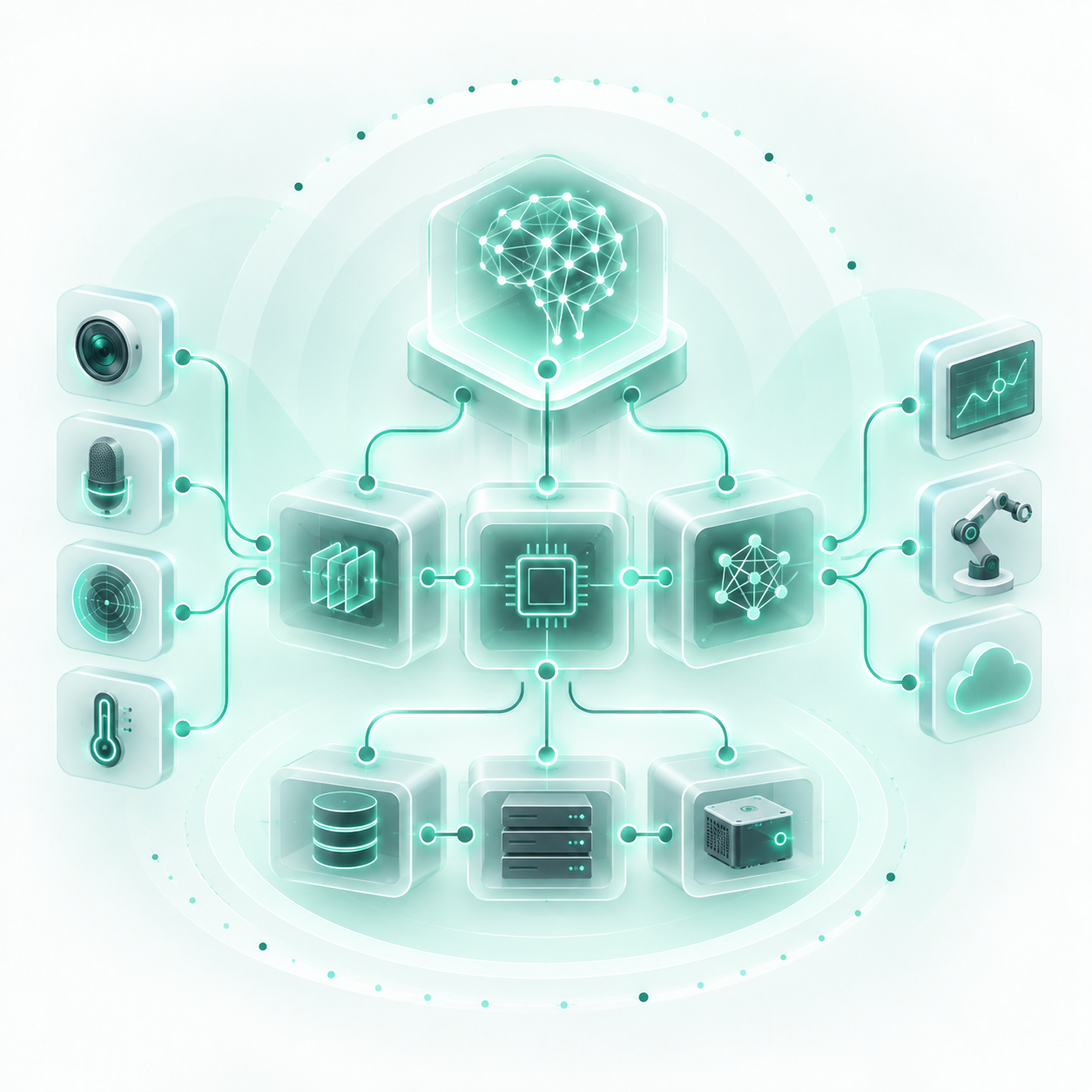
Can integrate different perception sources, hardware and AI capabilities.

The same platform can be specialized for different verticals and critical scenarios.
Road crashes are multicausal. GUARA does not seek to attribute them to a single factor. Within this context, Argentine and regional public agencies identify human variables such as fatigue, drowsiness, attention, vigilance and reaction time as relevant dimensions for operational safety.
This is the layer of the problem GUARA seeks to observe and interpret: how human state changes over time, especially in professional mobility operations exposed to road environments, critical hours, sustained demand and monotony.
Fatalities recorded in the preliminary national road-safety report.
Of fatal crashes occurred on roads, where operational exposure is sustained.
Road mortality rate per 100,000 inhabitants according to ANSV.
Estimated road-traffic deaths by PAHO/WHO, showing that the challenge extends beyond a single country.
General context of the problem in Argentina, without attributing causality to a single factor.
How to read this chart: it only highlights the time windows identified by ANSV. It does not represent quantities, percentages or a risk curve.
A national problem within a broader regional challenge.
ANSV and JST recognize that these dimensions can affect operational safety, especially in professional driving and intercity transport.
Without yet framing it as TAM or SAM, the scale of the system is visible: CNRT publishes periodic statistics for long-distance, AMBA, regional and freight transport. The potential need extends to fleets, operators and services where human state affects safety and continuity.
Mobility is GUARA’s first operational vertical. The same architecture can extend to other environments where human state directly influences safety, operational continuity and performance.
Professional drivers, passenger transport, freight, logistics and fleets.
Operators, machinery, repetitive tasks and safety-critical positions.
Monitoring operators and crews under sustained cognitive demand.
Monitoring centers, surveillance and positions with high attentional demand.
GUARA’s architecture prioritizes local processing, low latency and adaptation to available hardware. This enables AI capabilities to be deployed even in environments with limited or no connectivity.
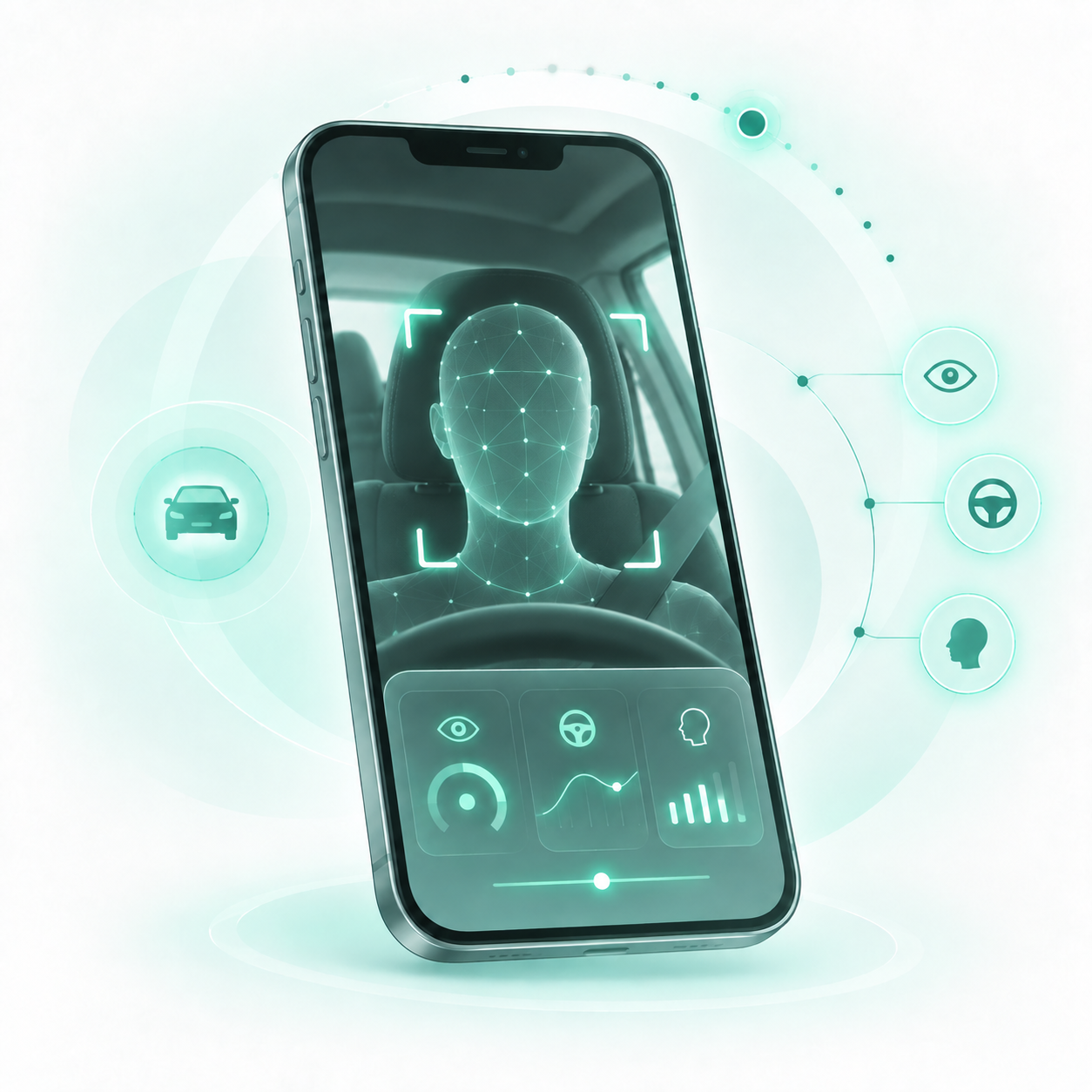
Lightweight implementation on compatible Android devices.
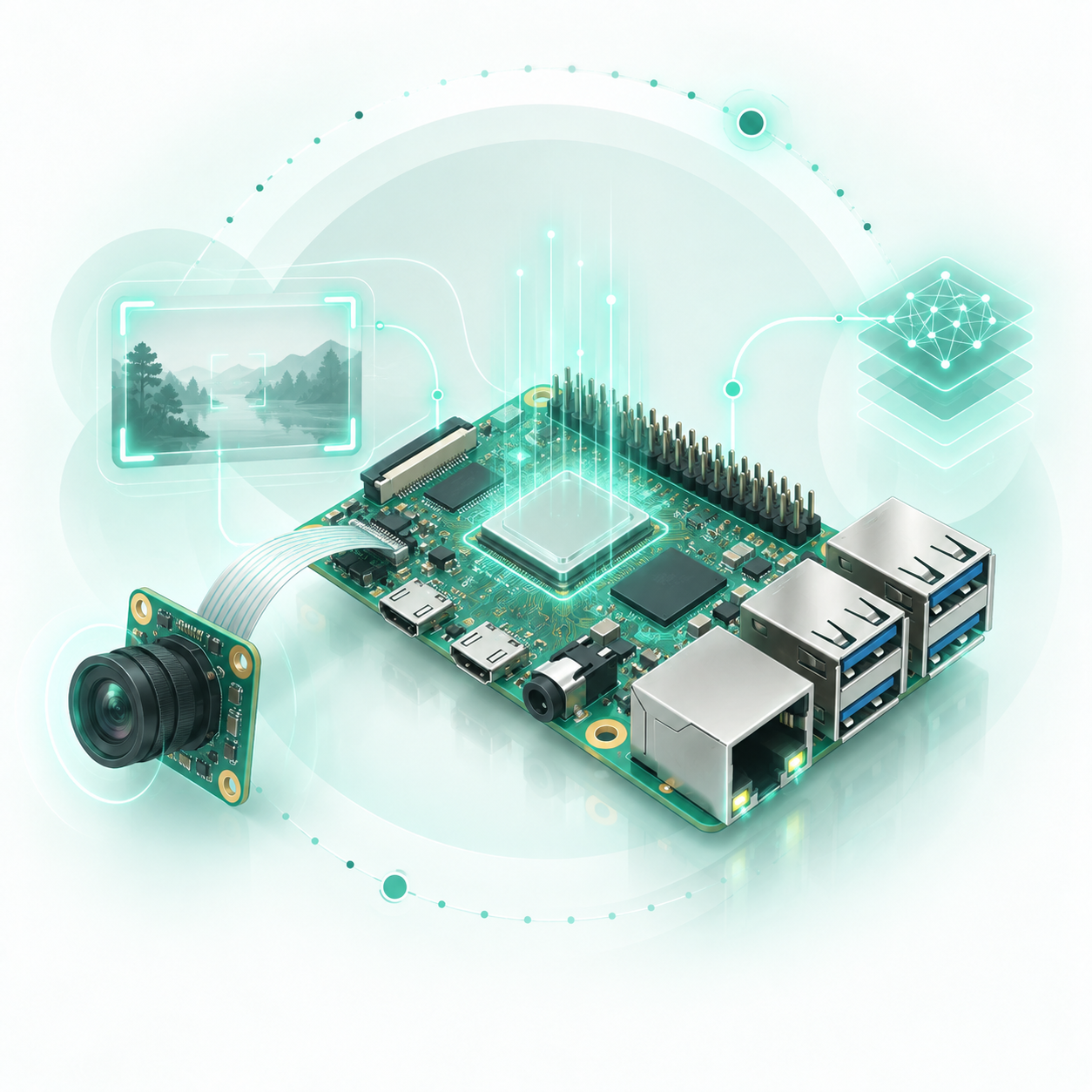
Low-cost Edge AI for professional deployments and field validation.
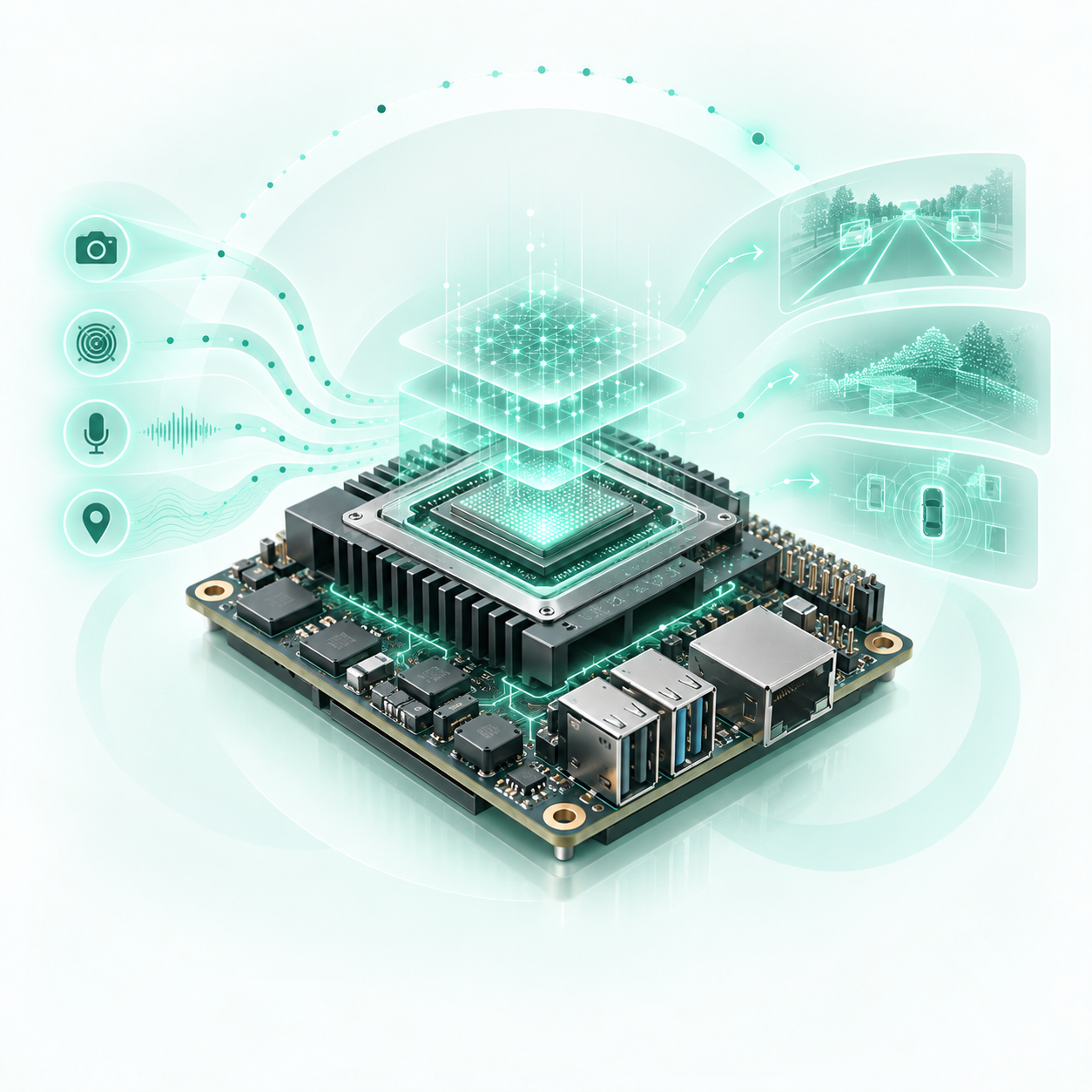
Higher compute capacity for advanced models, sensors and additional capabilities.
GUARA can first grow as its own aftermarket-installed product and, as it accumulates technical and commercial validation, extend its capabilities through third-party integration and licensing models. This enables scaling without depending on factory integration from the outset.
The objective is to advance in stages: aftermarket deployments in fleets and professional transport, then SDK/API and capability licensing, leaving potential OEM integration as a long-term option subject to validation, technical requirements and automotive-industry processes.
Licensing of specialized engines for perception, temporal analysis, human state and other intelligence capabilities developed by GUARA.
Interfaces for incorporating GUARA capabilities into applications, management platforms, fleet systems and third-party solutions.
GUARA device installable in vehicles already in operation, without depending on factory integration. Designed for fleets, professional transport and progressive deployments on Edge hardware.
Customized implementations for partners that need to deploy GUARA capabilities under their own brand and user experience.
GUARA can capture value through aftermarket products, software licensing, technology integration and B2B agreements. Potential OEM integration remains a long-term option, conditioned on technological maturity, validation, homologation and manufacturer integration processes.
GUARA advances through incremental technical validation, testing on datasets, embedded hardware and real driving scenarios, with a focus on robustness, metric traceability and external evaluation.
We are looking for companies, universities, technology partners and institutions interested in pilots, validation, integration or joint development.